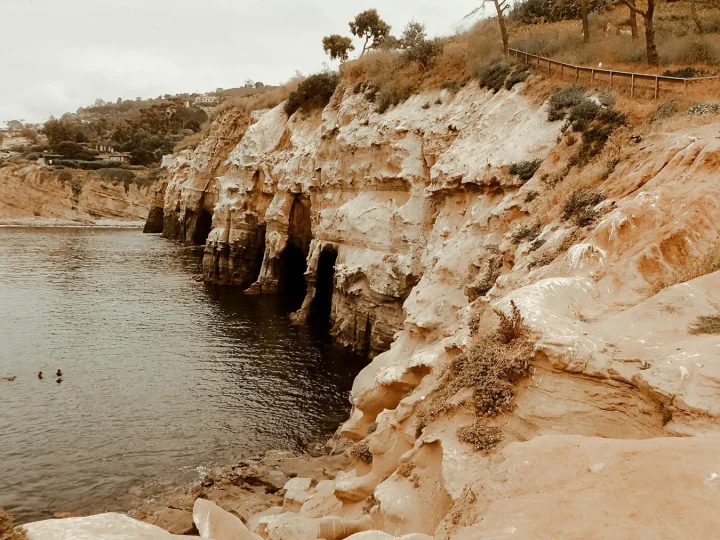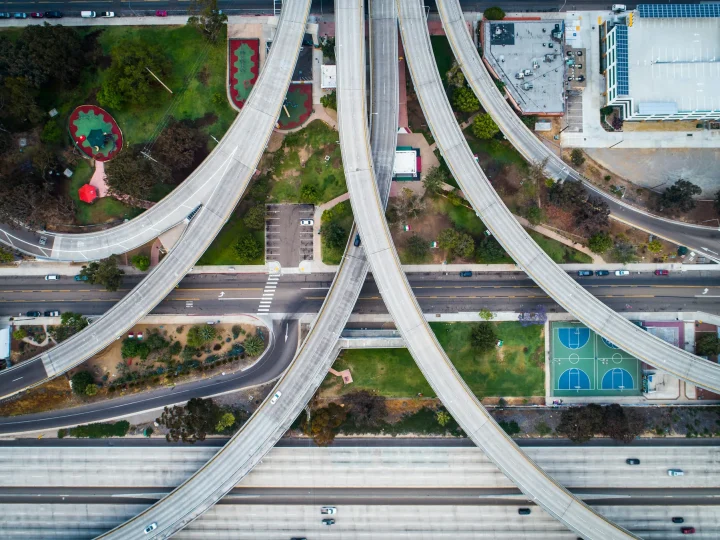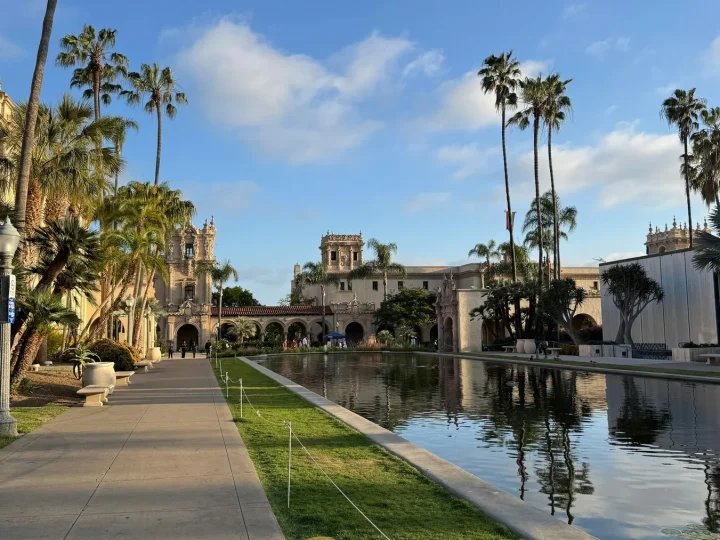
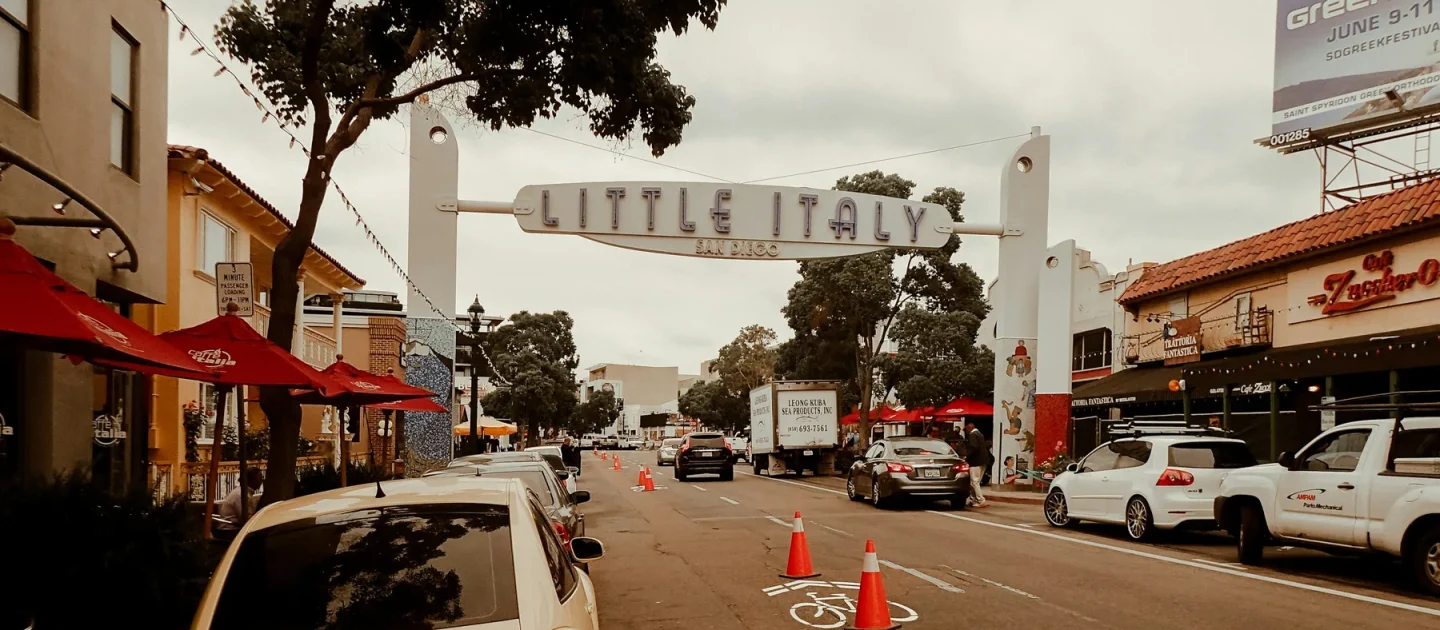
A first day does not need to prove that you have seen the region. It needs to establish orientation. Choose one body of water or one civic landscape, one fixed anchor, one nearby contrast, and an open interval long enough to absorb transport and curiosity.
Step one: name the relationship
Pacific and neighborhood, bay and working waterfront, park and nearby district, or canyon and inland landscape are clearer starting points than a list of famous names. The relationship keeps the route coherent when a detail changes.
Step two: protect the anchor
If the day includes a tour, museum, performance, or reservation, confirm the real entrance or meeting point and read the provider’s current terms. Avoid another fixed commitment immediately before or after it.
Step three: add a close-scale contrast
Follow a large view with a street, garden, café, material detail, or institution. This changes the pace without requiring a cross-city transfer. Check whether the route is actually walkable or connected by the transport you intend to use.
Step four: keep an unassigned release
Weather changes. A meal takes longer. A path invites another block. Protecting unassigned time is not under-planning; it is what lets the city be experienced instead of managed.

2-Hour Private Sailing Experience in San Diego Bay
Our unique sail displays a peace sign because that is exactly what we share with our customers, peace. Peace is not...

Private Sailing Charter on San Diego Bay
San Diego Bay is one of the most beautiful bodies of water on the West Coast of the United States. Why not enjoy thi...

Top Rated San Diego Sunset Sail Classic Yacht 6 Guests
Skip the crowded tour boats. Liberty carries just six guests and that changes everything. Sail San Diego Bay aboard...
End the first day with a clearer mental map, not a larger count. The next guide will be easier to choose once Pacific, bay, bluff, canyon, and neighborhood are no longer interchangeable words.
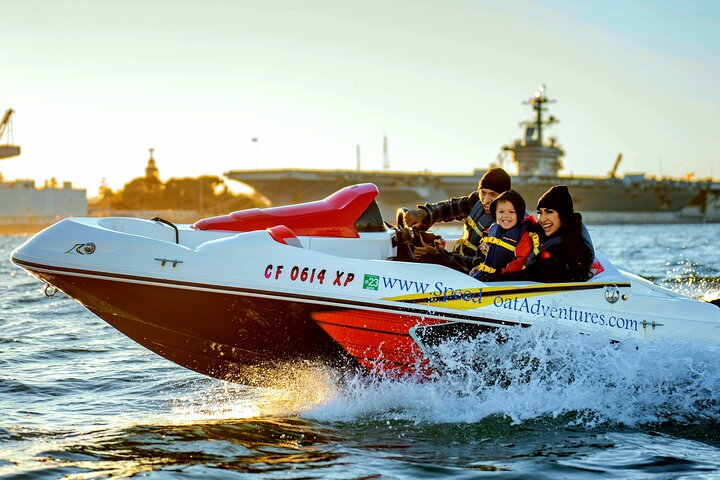
San Diego Harbor Speed Boat Adventure
Rev up your excitement with a one-of-a-kind San Diego Speed Boat Adventure! Captain your own speed boat on a guided, narrated tour of San Diego Harbor...